The villages of the dead are 4 in number, arranged thus:
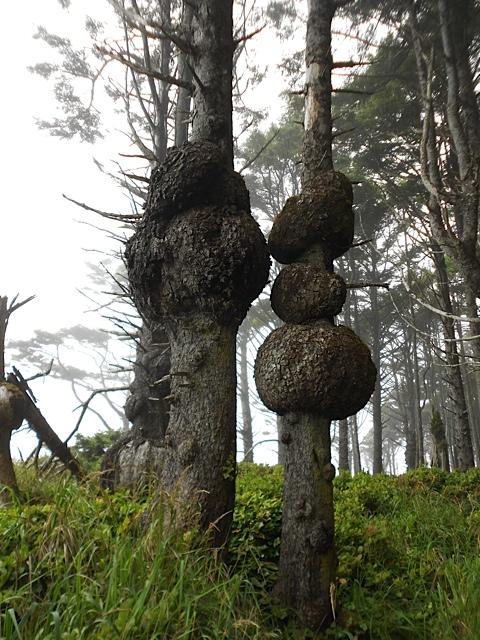
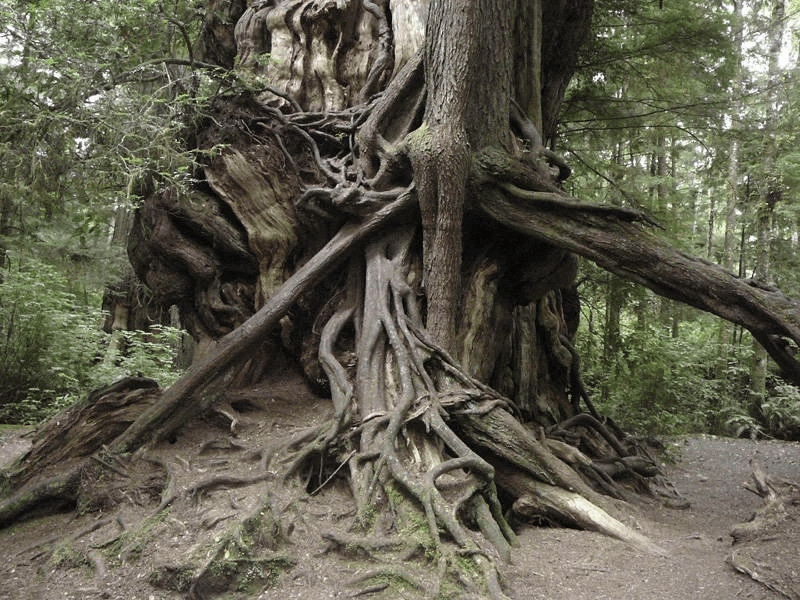
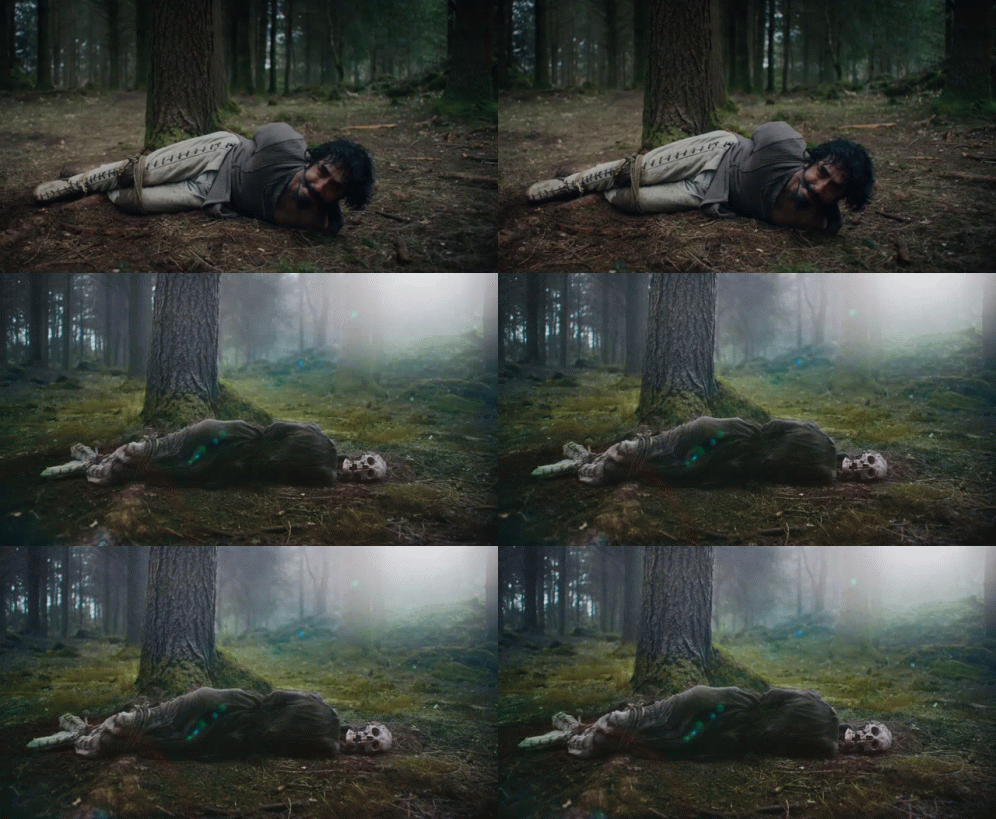
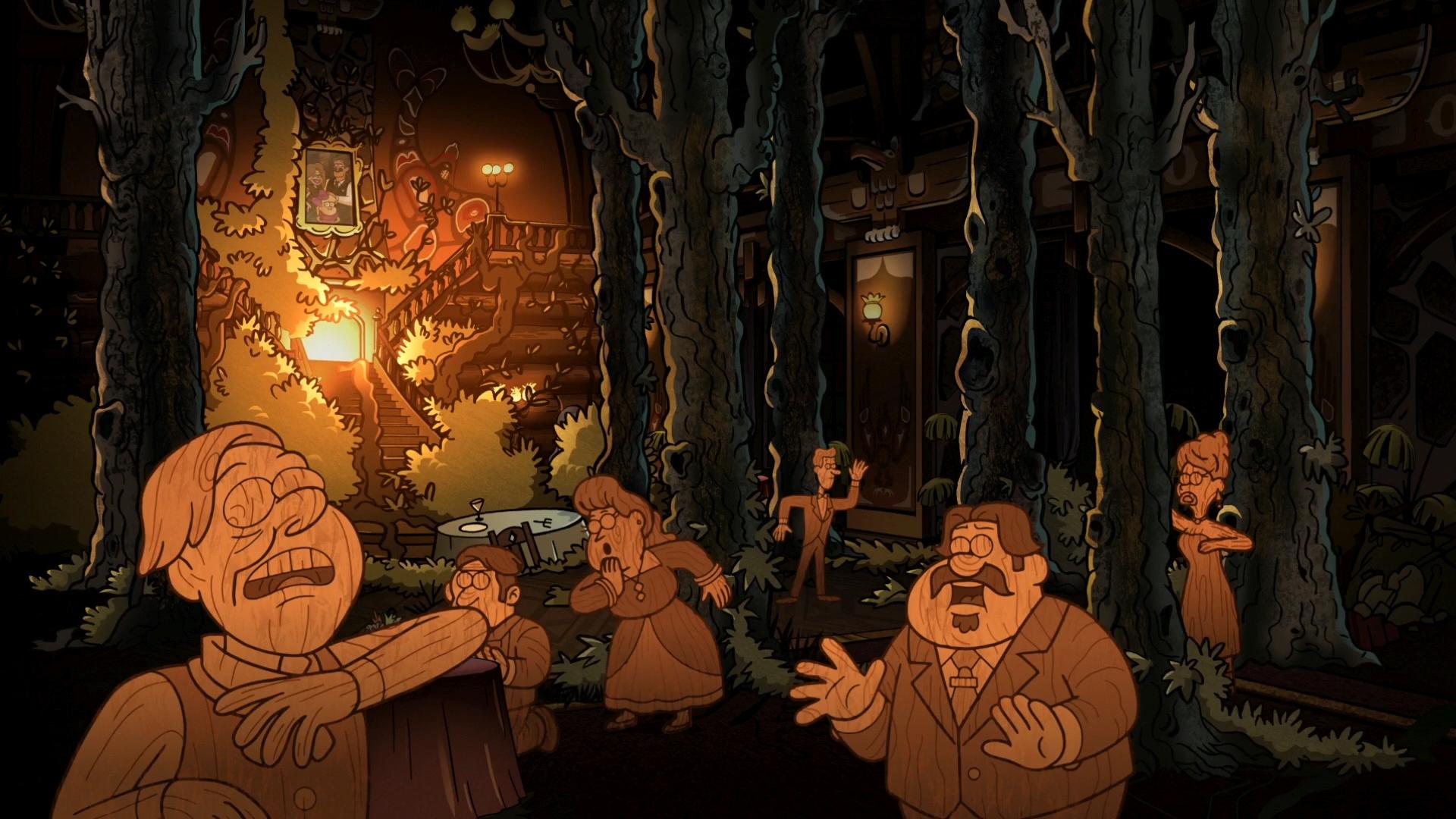
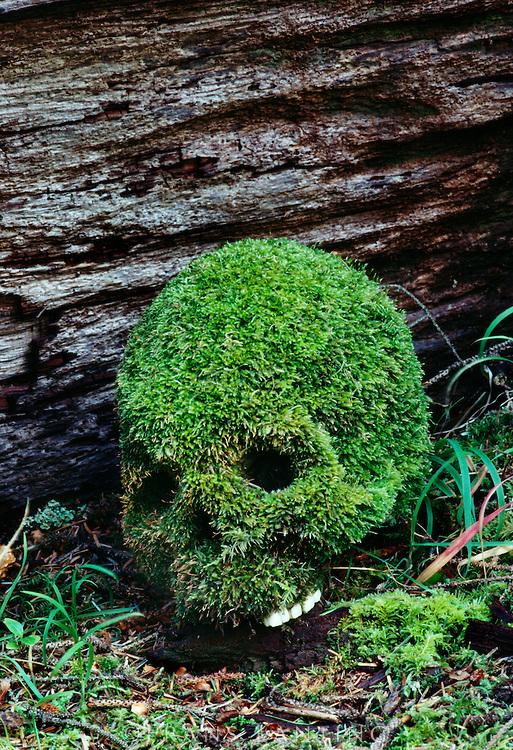
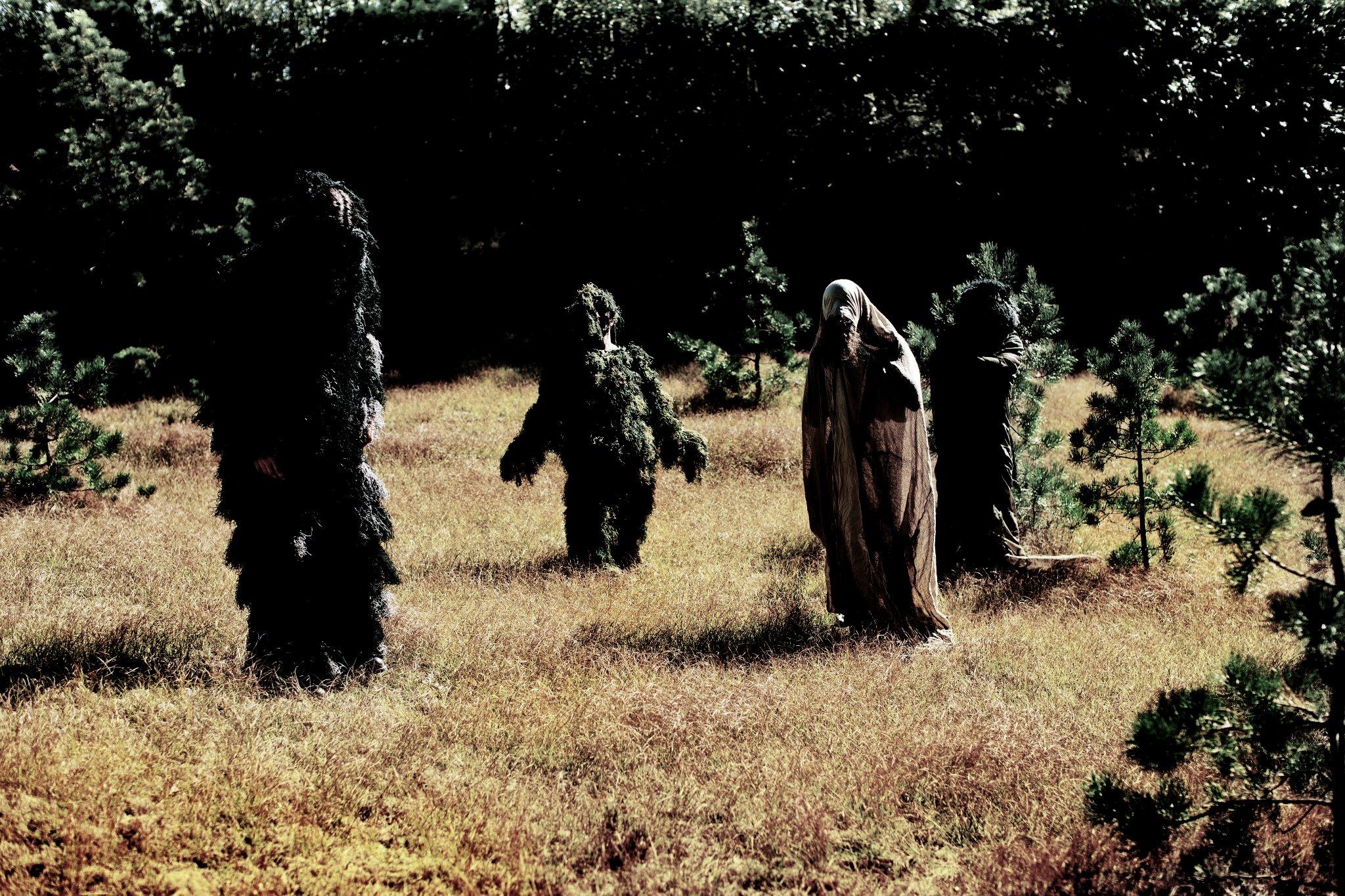
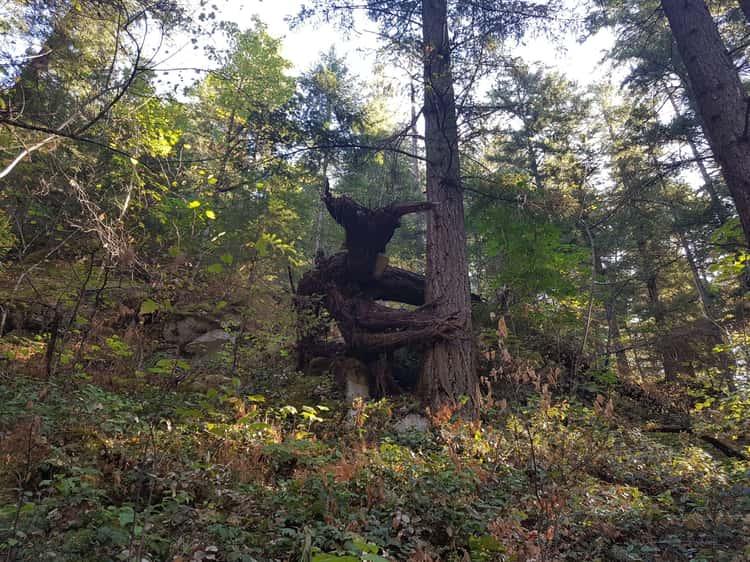
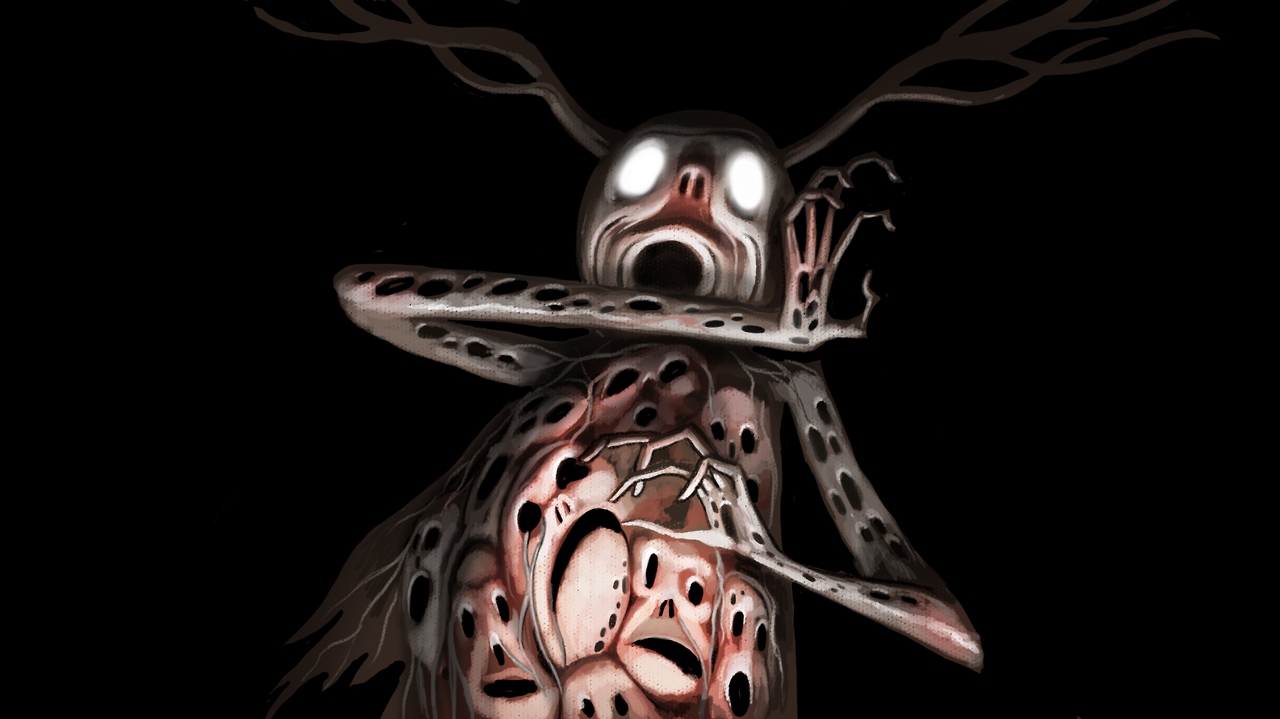
First is Hemlock-All-around, where from every branch on every tree a goblin hangs, hollow-faced, eagle down sprinkling the earth from empty orifices.
Second is Maggots-Writhing-on-Bark, where ghosts linger staring blankly or falling to the floor, then to gibber and howl and writhe as if their bones were aflame.
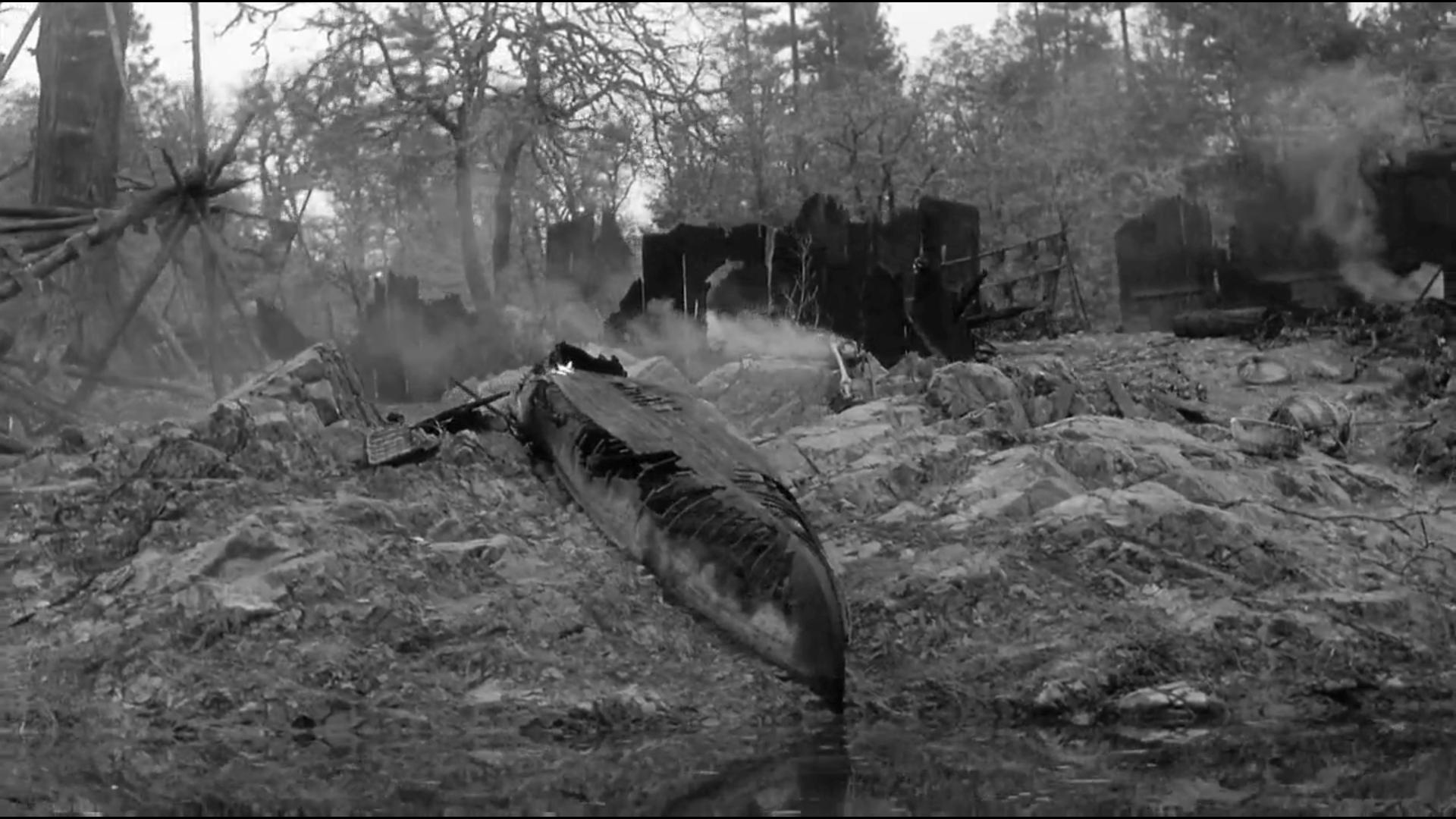
Third is Devouring-Mouth-of-the-Earth, were ghosts cower in half-collapsed houses while hunched & massive shadows stalk the alleys seeking to devour them.
Fourth is Never-Return, and I have not seen it, nor have any that recovered to speak of it to the living.
- Akomish spirit-canoer's report
We do not really live in the world. We journey there, winding the wood or skimming the sea, even on occasion grasping toward the Moon. But Man is
limited and liminal, dwelling in exceptions, on the borders of places, in prairies and on riverbanks, wedged between sea and forest and sky.
The real world, the true one that stretches on forever beyond the sight of Man, found somewhere out in the tall trees or rolling slowly over the deepwater, is the Kingdom of the Dead.
But a right-thinking Man of good breeding limits his exposure to such things. He knows the world and his place in it - mind filled with the name and quality of every cape, hollow, and crag. He couldn't possibly lose his way or become lost, shielded by certainty of his mastery.
And yet, he may be led astray. By birdsong or child's laugh or faint firelight, by promises of wealth or warmth, primal urges from beyond the ken of men may coax the otherwise sensible from their path, off into the wild.
And these creatures - ghosts and sprites and wilderlings all - they have a King. When the lost flitter about in fear and confusion and pain, only then to tire and cry out their despair, surrendering to sleep a final time, then He is there, at their side, sudden as flame.
Becoming Lost
The following may in certain regions of the Mythic Wilderness serve as substitution for the normal procedures that follow "Becoming Lost".
Determine whether the party becomes Lost as normal for terrain (noting carefully the impact of traveling known trails on this chance). Subsequently, instead of rolling for random movement direction, the party's location on the hexmap does not update while Lost. They are assumed not to have made meaningful progress toward their destination, instead beginning to move along a different axis entirely.
If while already Lost, the party is determined to be Lost again, they become Twice-lost. While in this state, there is a 2 in 6 chance that any discovery or encounter is replaced with an equivalent Lost Encounter (see below).
If the party becomes Thrice-lost, this chance increases to 4 in 6.
If the party is determined to be lost a fourth time, they are Truly Lost. The chance of a Lost encounter is now 6 in 6. At this point the party is no longer on the hexmap proper, having crossed fully into the deadlands: The trees twist in on themselves, directional markers are conflicted and meaningless, daylight dims and refuses to change, etc.
A party cannot become Lost a fifth time. If this is rolled, they instead reach an endpoint to their journey. There are a number of potential destinations for this, but some examples are:
The Hemlock Throne, seat of the nameless King.
A grave of the Wind that Bites from the Dark, strewn along the Road to the Moon.
The Slanted Lodge, where shadows dance.
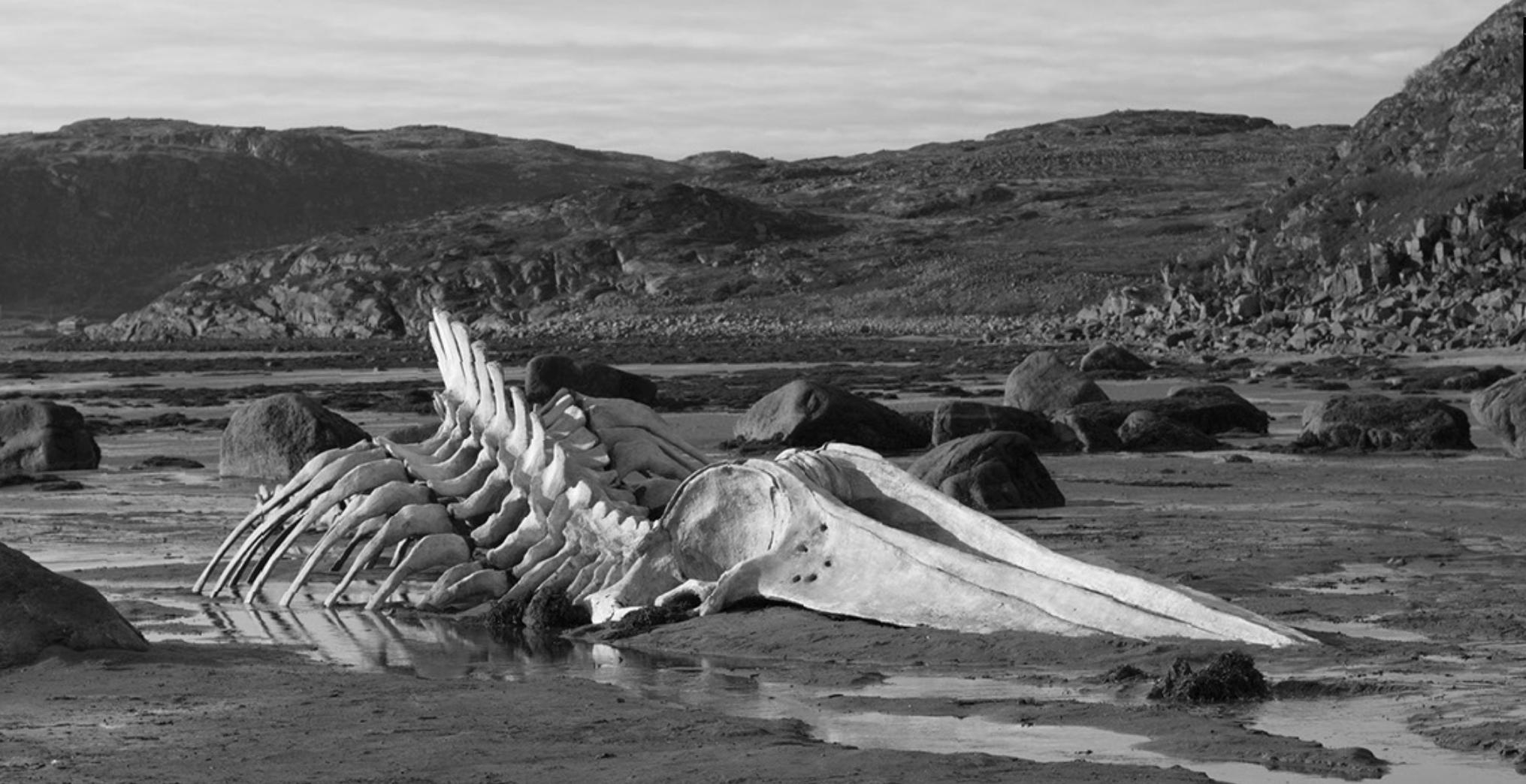
The abode of a great spirit, such as a Wealth-bringer, Grizzly Mother, or Inland Whale.
Once such a location is discovered, it generally haunts the party until they return to civilization. While they remain Lost, they always steadily approach it. There was never any other option.
Lost Encounters
A d20 is thrown to determine the character of a Lost Encounter:
Spatial drift. When the party ceases to be Lost, update their location on the hexmap 1 space to the North. These changes are cumulative.
Spatial drift. When the party ceases to be Lost, update their location on the hexmap 1 space to the Northeast. These changes are cumulative.
Spatial drift. When the party ceases to be Lost, update their location on the hexmap 1 space to the Southeast. These changes are cumulative.
Spatial drift. When the party ceases to be Lost, update their location on the hexmap 1 space to the South. These changes are cumulative.
Spatial drift. When the party ceases to be Lost, update their location on the hexmap 1 space to the Southwest. These changes are cumulative.
Spatial drift. When the party ceases to be Lost, update their location on the hexmap 1 space to the Northwest. These changes are cumulative.
We await your arrival.
Lost encounter. As normally-rolled encounter, but indicated creatures are lost, distressed, paranoid. They feel they are being chased, harried by spirits or unseen monstrosities. -4 to Reaction. If the normal encounter is supernatural, it instead seeks something in a chase.
Lost encounter. As normally-rolled encounter, but indicated creatures are lost and eerily not distressed. They are calm. They want you to stay here, to give up on worry, to find a sweetly rotting bed to lie upon. Staying with them invites attack from ghosts in the night. (These ignore the initially encountered creatures.)
Lost encounter. As normally-rolled encounter, but what is evidenced from a distance is simply not found to be present at all. For example, copious tracks or distant shouting lead to a clearing with no signs of recent habitation.
Lost encounter. As normally-rolled encounter, but instead of any creature, there is instead only copious evidence of presence. For example, an empty camp with food still cooking on the fire. (Resting at such a place causes a time distortion, see #19.)
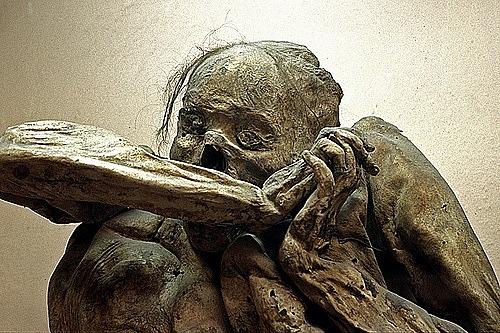
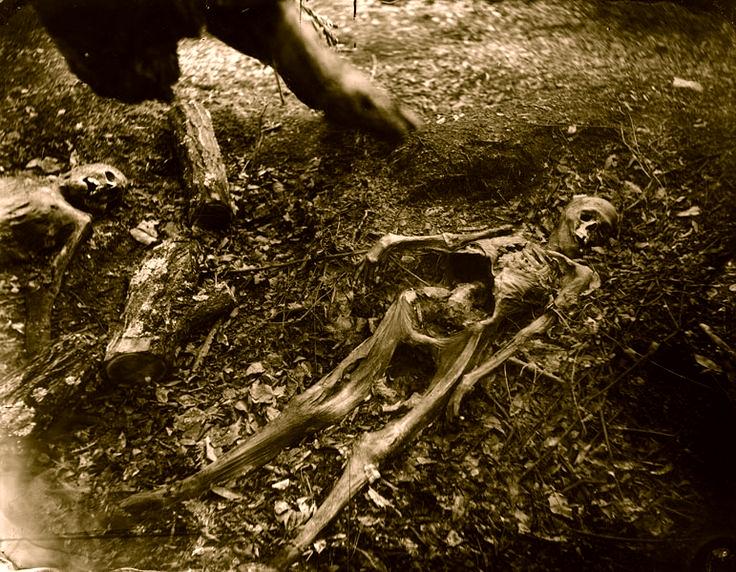
Lost encounter. As normally-rolled encounter, but indicated creatures are corpses, laying dead on the ground. 2 in 6 chance they rise as ghosts if disturbed.
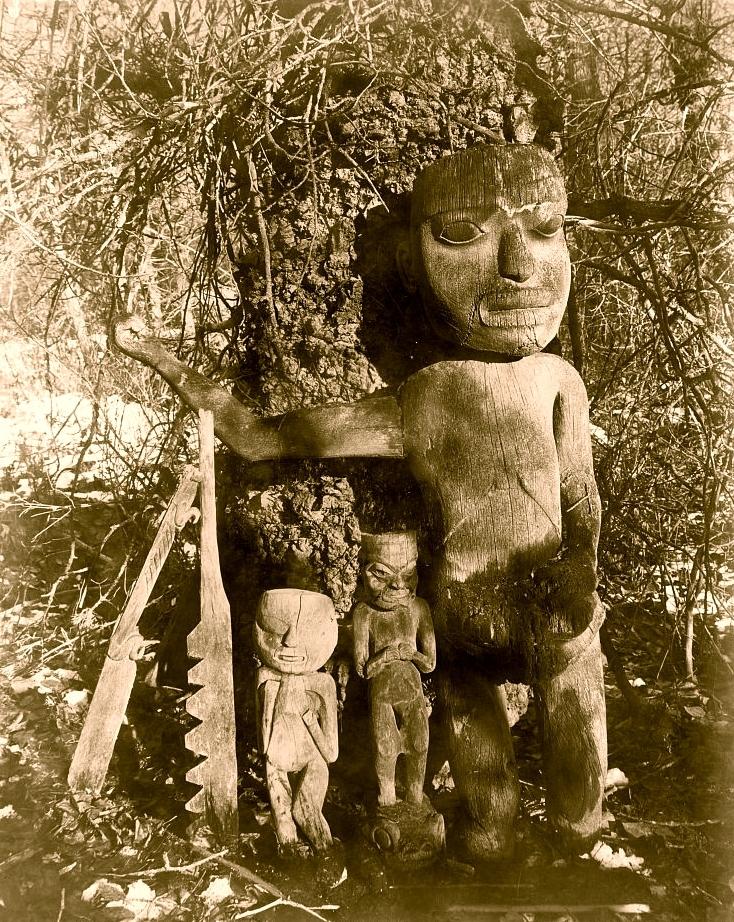
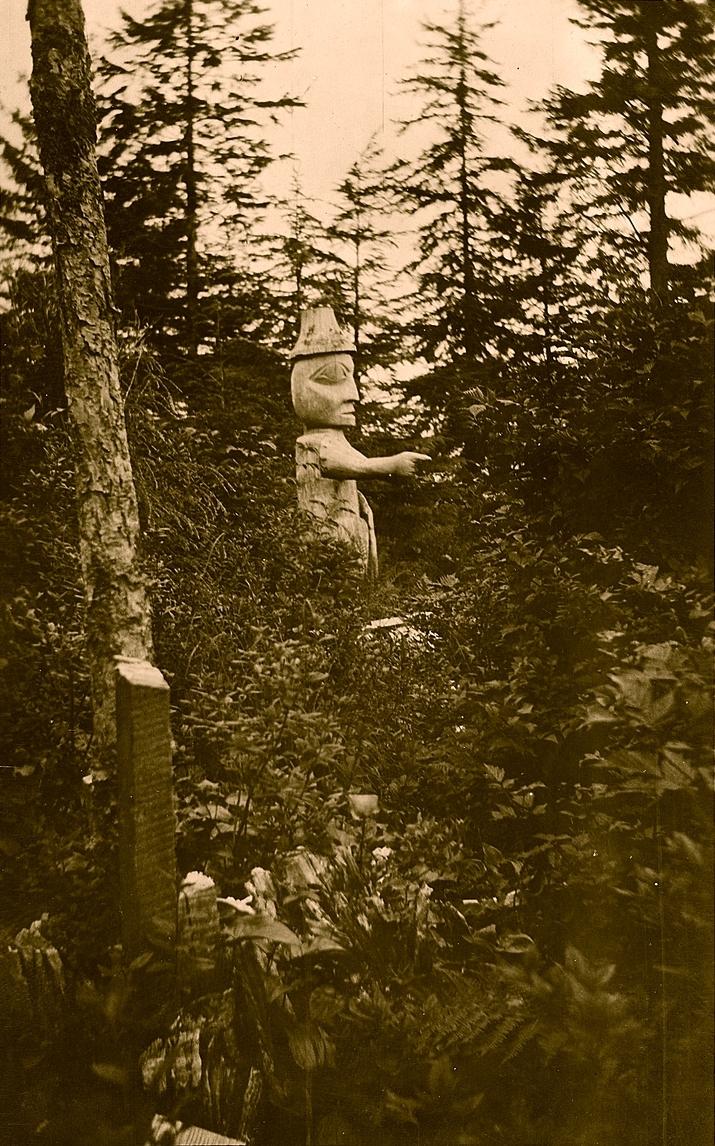
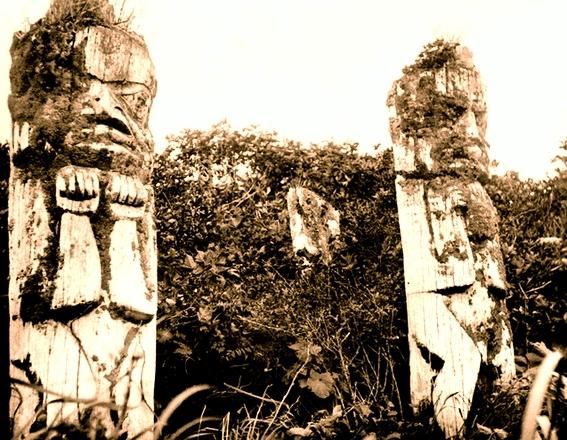
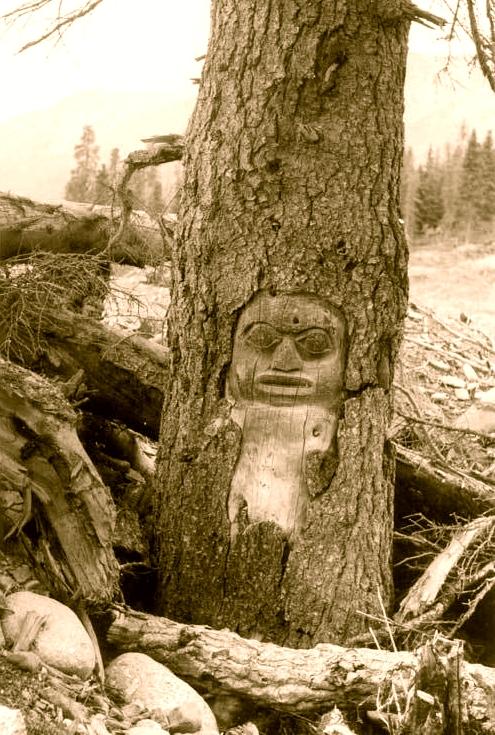
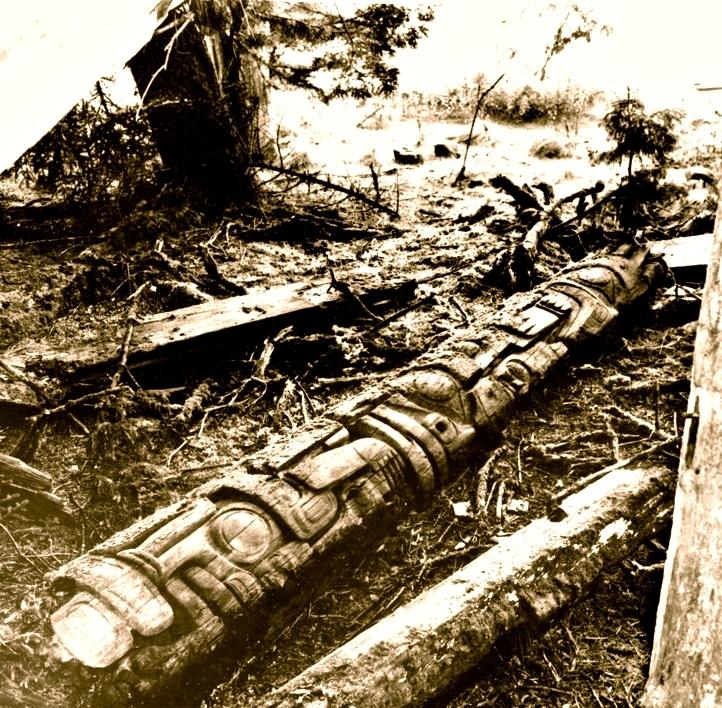
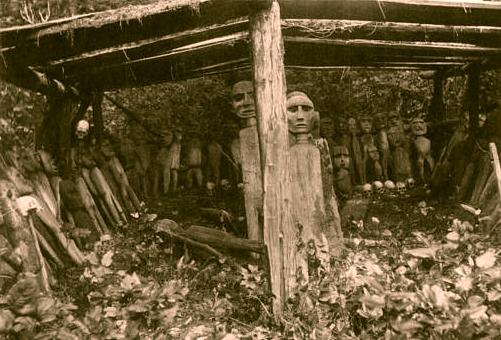
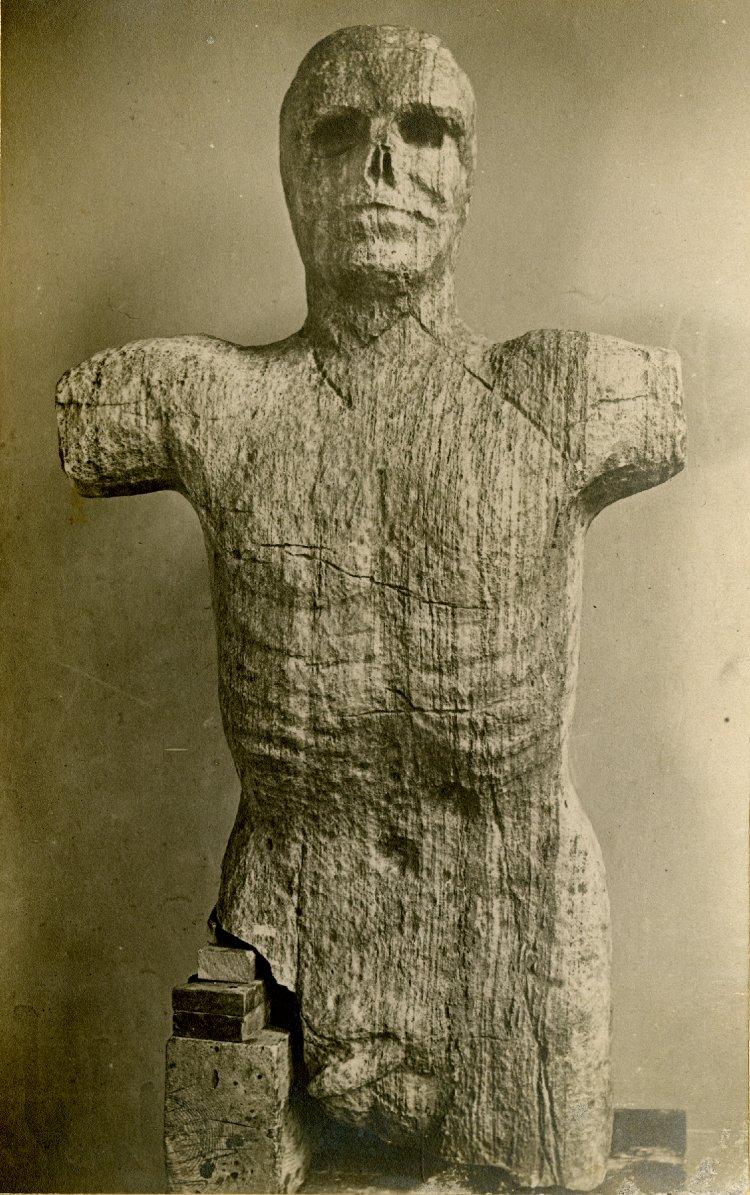
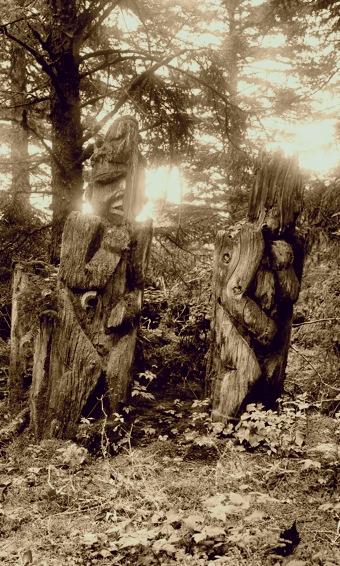
Lost encounter. As normally-rolled encounter, but when approached these are revealed to not really be creatures after all, but instead carved wooden figures erected in a posture that perhaps resembles some sort of encounter. They've been rotting for years.
Along avenues made open for you.
Otters. An encounter with Otters, such as: The camp of a friendly family of d6 Land Otters, in human form. They offer you rest, and to guide you home in the morning. They want you to leave your dogs far outside their camp and will not say why. They offer you food. Accepting this aid increases the level of Lost, or causes lethargy and soul loss if already Truly Lost. (To a member of the Growling Cult: A crude collection of mud huts inhabited by foul-smelling beastmen.)
Slim people. An encounter with Slim People, such as: A deer is staked out in the open, hung between trees, gutted. It is highly visible from a decent distance, obvious. The meat is still good. The trees near it are hung with figurines of bundled sticks. When approached, 2d6 Slim People, scattered across the forest floor nearby, rise to attack.
Ghostly rot. Something falls, dies, or rots in the immediate vicinity, leading to an encounter with the Lost, such as: A tree crashes down from somewhere uphill. The party is targeted by a Tree Striker. Its effective range is equal to the average height of trees in this region. How fast can the party move?
Ghostly music. Heard in the distance, leading to an encounter with the Lost, such as: A whistler's glade where a Lost Child cavorts, animating 2d6 carved wooden animals with his flute, attacking intruders unless they dance and dance and dance as partner to his idols. If his flute is stolen (it retains a portion of his magic), he turns to wood as well.
Ghostly fire. Seen in the distance, leading to an encounter with the Lost, such as: A camp of 2d6 Ashen Ghosts crouched around a dim campfire. They appear as normal humans in the flickering light. They want you to help build up their fire. To teach them how to build fire. To make it hotter. To gather materials for the fire. To put your possessions in the fire. To put yourself in the fire.
Ghostly weather. Odd or unseasonable weather phenomena is observed, leading to an encounter with the Lost, such as: The sun dawns, regardless of what time the party previously thought it was. The land remembers its beginnings. Morning fog surrounds, tinged slightly darker than it should be. It burns off in a few hours, but if traversed the party is harassed by a Dawn Shadow.
Patience is a virtue of the dead.
Lost woods. After an entire turn of travel, you find yourself approaching exactly the same place as where you started out from. Once this is rolled, its effect also replaces all results 1-6. If this specific entry (#19) is rolled again, then the party also suffers a time distortion on ceasing to be Lost, an additional 2d6 hours having passed by without their notice, changing the time of day unexpectedly. For each additional result, the time distortion explodes upward (hour → day → lunar month → season → year → generation).
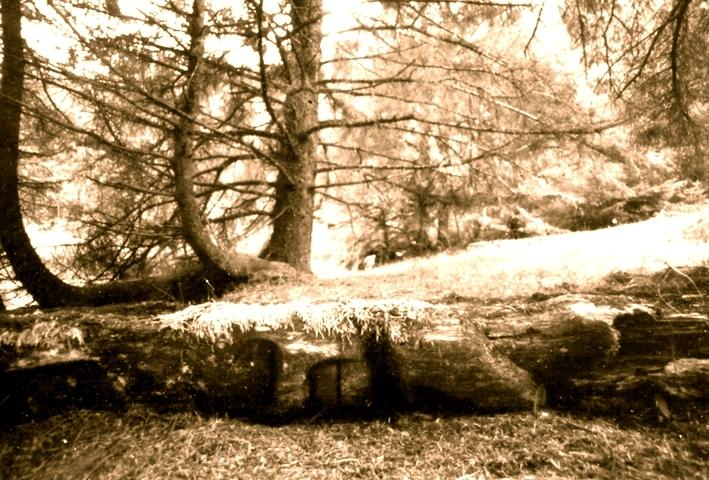
Dead road. You have found your way behind the trees, where the dead roads wind. A dry creek, a corridor of fallen timber, a laid-down bed of shredded cedar, a continuous chain of moonlight, a set of tracks suspiciously similar to your own - appearances vary. One way leads into the daylight - following it for a turn removes all levels of Lost and deposits the party at a site (preferably undiscovered) within their updated hex location. The opposite direction leads into darkness, to be harassed by hungry ghosts, and eventually to Hemlock-All-around, first village of the dead.
I bide among the twisted pines, and none recall my name. I have no friend or relative for all near me must perish. Into the wilds I depart on roads kept by the dead.
- Gravetender's lament
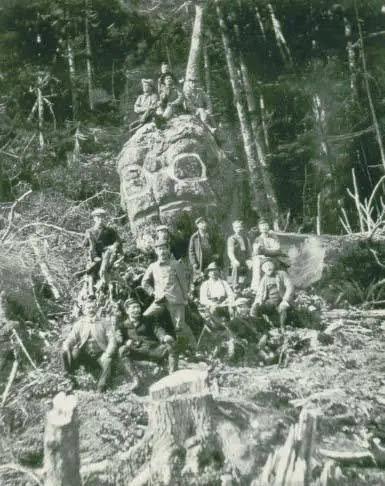
There is a King without name, propped limbless on a hemlock throne untouched by sunlight at the heart of the world. Fearsome and strange, many-masked, with heart of pitch and brine, He is King of Ghosts and Woodsmen, the Wilderer of Ways and Keeper of Drowned Souls. It is He who confounds the hunter and mazes the amnesiac, dooming all to wander in hunger and lack forever and ever.
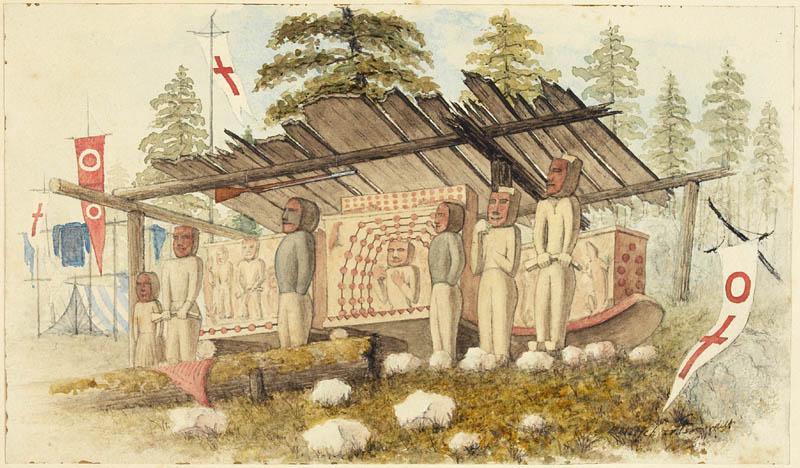
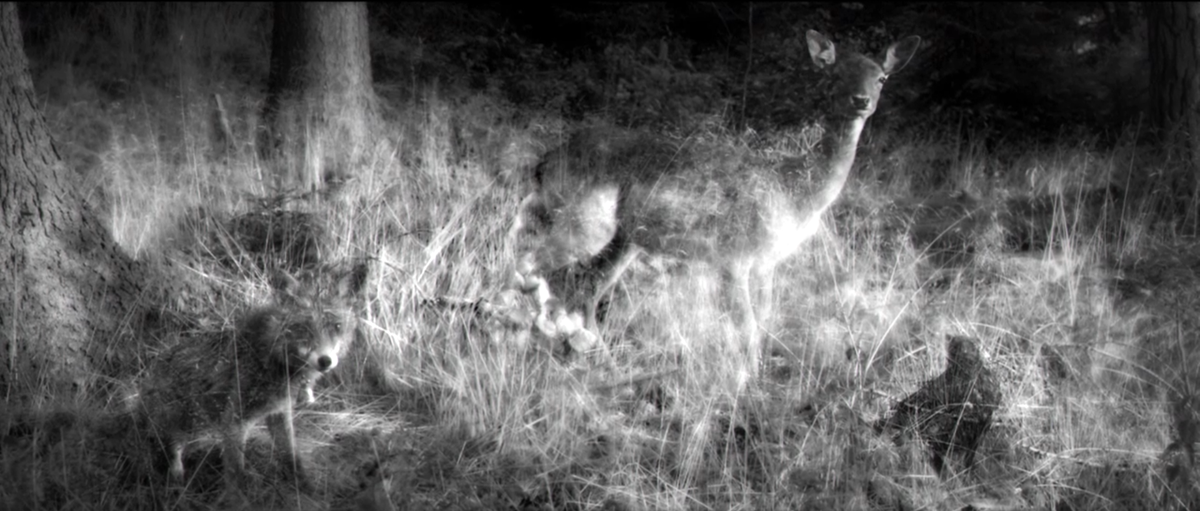
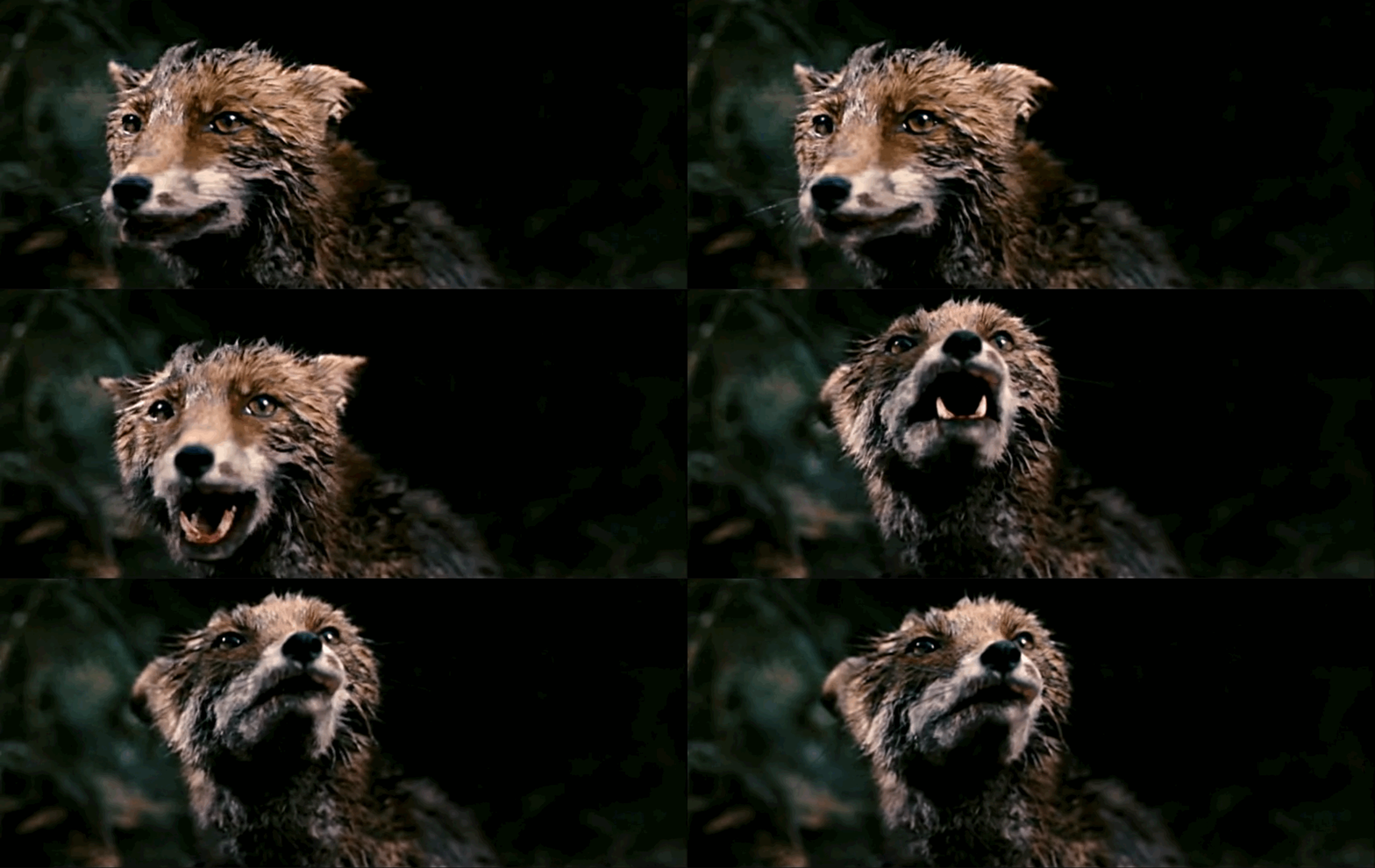
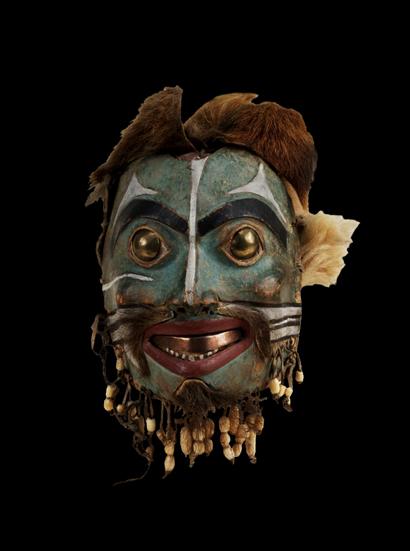
His kingdom is one of confusion and loss, of calling forth by name, of slowly fading memory, and of strangers wandering alone. He appears as a rot-scarred cedar box carved with fishers afloat on the sea, an injured and algae-soaked fox digging at an unmarked grave, a faceless child playing a flute, or a disorganized pile of greening bones set on an overgrown hemlock stump. He is heralded by the sound of a bone flute whistling in the distance, and by uncanny fogbanks moving slowly and deliberately through trees or over water.
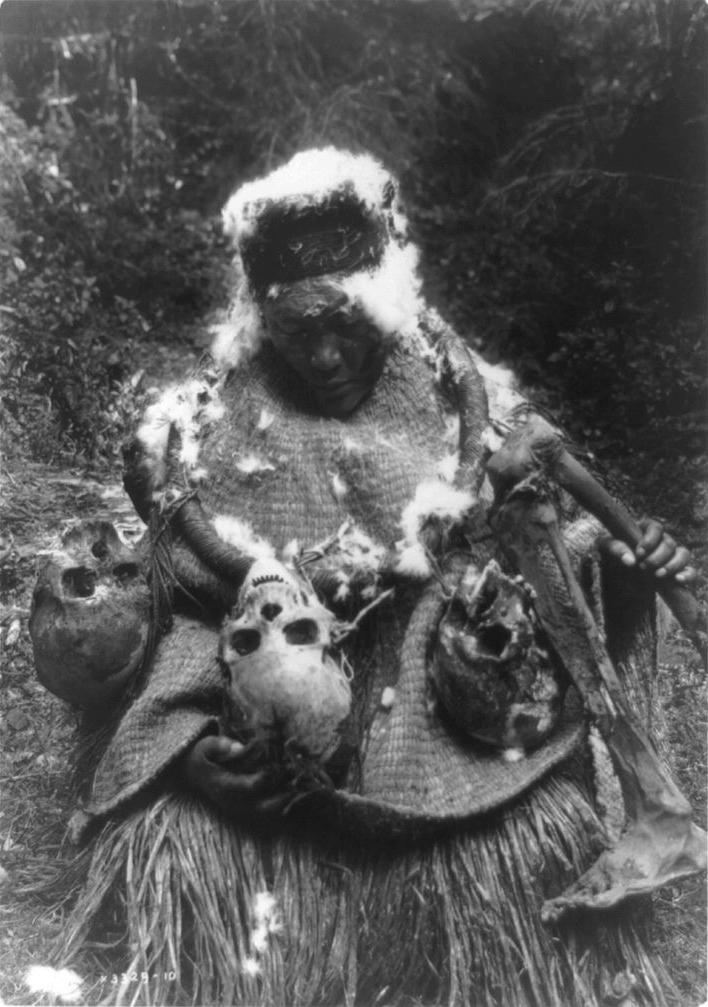
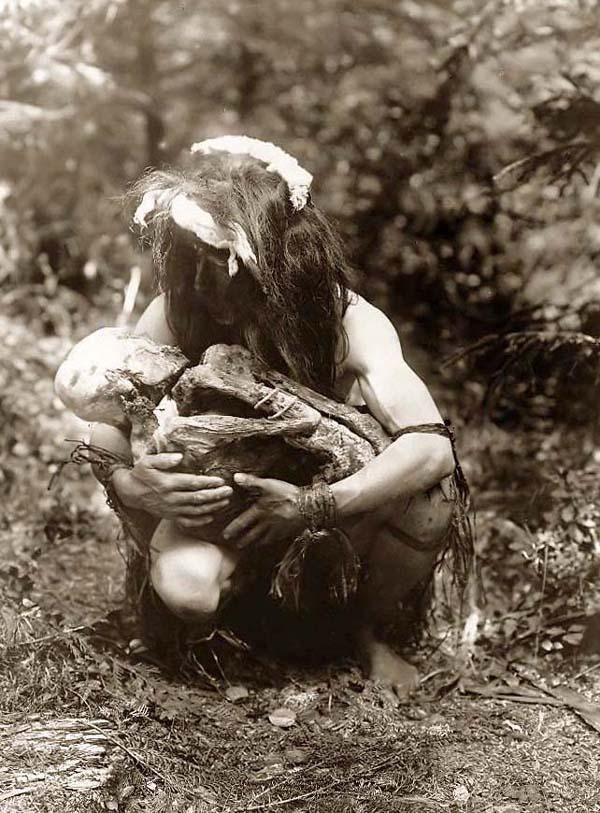
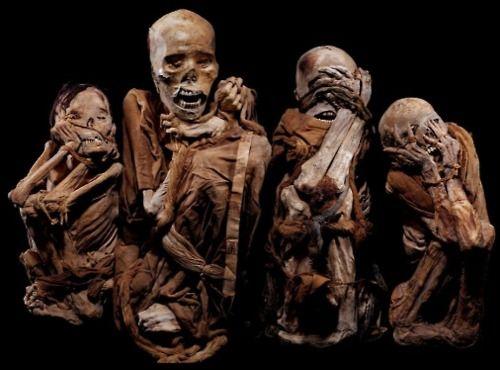
Gravetenders are known to appear suddenly and without warning, to converse with the dead, and to enforce the taboos against touching dead bodies or pronouncing dead names. In hidden sanctuaries near each village their corpse-groves stand, hung with bodies and piled with offerings, scented with incinerated foodstuffs brought forth to placate lost ancestors. Most villages are willing to provision these encampments, but otherwise studiously avoid acknowledging their existence.
My house has many rooms.
Restrictions
The Gravetender is ritually dead and nameless, and must remain so. They are unmarried and not a member of any family, clan, or moiety. They own no possessions, though few would attempt to take from them what they keep on their person. A Gravetender may not recruit mortal retainers. Their very name, along with all its deeds and properties, has been eaten by the dead.
A Gravetender that is called by their eaten name loses access to all society powers and has disadvantage to all rolls and checks. They must immediately make new reaction rolls for all ghosts in their presence (at disadvantage). All is restored when the Gravetender next becomes Lost. (Note they will also have disadvantage on
the normal roll to avoid becoming Lost.)
But the name is not theirs, and its misuse calls out for recompense due its new owners. The one that uttered this eaten name is thereafter treated with hostility by all ghosts, which attack them on sight. They also have disadvantage on saving throws against hostile magics and rolls to avoid becoming lost, as the dead roads open to them. This lasts until the Gravetender's powers are restored, or until they die truly. If the offending individual is ever Lost to even a single level, all random encounter will contain packs of hostile ghosts intent on devouring them.
I have prepared a place for you.
Benefits Veteran (level 1) Gravetenders gain several advantages while Lost, a state they recognize instinctively: They do not age, do not require food or water, and have advantage on all saving throws. Encounter distance is always treated as the maximum roll.
Gravetenders may also command ghosts and otters, just as a skilled tamanous man might. Resolve this as a Turn Undead check. A commanded ghost or otter may always lead the Gravetender's party out of being Lost in a single turn.
Heroes (level 4) of the society can bind ghosts, and speak those bound into their presence.
On a result of "D" on the Turn Undead table, the spirit in question is eaten. The Gravetender takes their name, their shadow, and their memories. The spirit occupies a retainer slot. Note that eating the spirit of one of the honored dead makes one immediately hostile to all of their relatives, unless explicitly retrieving their ghost in order to return it to the family. Such ghosts are under no obligation of faith to the Gravetender. The dishonored dead may be enslaved without repercussion.
The Gravetender may be called by the name of an eaten ghost without mechanical consequence, though doing so is considered taboo by the society, resulting in a disadvantage to Reaction.
A bound ghost may be manifested in the shadows over living water or the smoke of a fire. Only other Gravetenders, blood relatives, and those with the ability to detect magic or the invisible will see them. (Skeleton Dancers will also, but they are reticent to admit this due to the general animosity between the two societies.)
At this level a Gravetender also may choose to gain advantage or disadvantage on any roll to become Lost.
Superheroes (level 8) of the society may speak bound ghosts into corpses (as Weeping Ghost) or specially carved wooden simulacra (as Rotting Ghost) and force them to do their bidding. The ghost is freed if reduced to 0 hit points, but may otherwise be consumed again by the Gravetender as normal.
As a Group Ritual a convocation of Gravetenders may bury a petitioner's name, giving it to the dead that it may no longer be used by the living. A buried name takes with it all its rights, privileges, and accomplishments, but also all of its debts and curses. This service requires gift of 1d6×250gp in foodstuffs and other offered gravegoods, as well as access to a corpse grove, burial islet, cavern of the dry ones, or similar collection of honored dead. These are feasted and danced in imitation of the naming ritual, during which the name is folded into their repast and burned. If this was the petitioner's final remaining name, they must immediately be initiated into the Gravetender's Society or become afflicted with a rapid and deadly wasting.
Though not widely known, the Gravetenders can also give the name of a place to the dead. This location can no longer be found by normal means, and instead becomes a Lost Encounter associated with the hex it was formerly found in. The requirements are similar, involving a corpse parade to the location in question and 1d6×2000gp in goods and ritual materials.
The Lost
Ghosts of the Straits the Lost
Do not weep for the dead. Give them nothing but what is offered on the pyre, for they will take everything from you. Your voice, your shadow, your power, the warmth of your skin, even your life - every living thing about you. For if you are dead, then you will join them in the deadlands, and all your ghostly relations will rejoice.
The dead are lonely; they miss their relatives. Spirits tend to linger awhile on the mortal plane before departing to the afterlife. It is during this time that they are most dangerous.
It is said that when you say a ghost's name, they immediately know your location. If you cry for them, their way to the deadlands is marshy and slow, increasing the likelihood they will turn back to haunt the living.
Note: Ghosts refuse to speak the trade jargon. It demeans them. To dialogue with ghosts, one must know their native tongue or converse in a manner entirely spiritual.
Stutter-Ghost [skayuɁ] (HD 1, AC 15, MV 18). A skeleton, floating just off the ground. Walks (does not run) at high speed with queer, shimmering motion. Jaw clatters out rapid falsetto “ku'kuku ku'kuku” repetition. Steals hair, save vs. confusion. When broken, bones vibrate around and eventually reform, sticking like magnets. Slain by magic. Some shoot nettle-arrows, which steal victim's breath.
Weeping Ghost [dᶻaqayuɁ] (HD 2, AC 12, MV 12). Crying corpse with ragged clothing, hair torn out in clumps clutched in clawed hands. Originally mortals who gave tears to the dead. Grapples into embrace, then drips tears on target's flesh, save vs. uncontrollable weeping. If afflicted falls asleep in this condition, save or become undead.
Rotting Ghost [p'q'acayuɁ] (HD 1, AC 14, MV 9). Pathetic corpses who carve sub-par wooden replacement parts to hide their rotting flesh as bits of them drop away. Grasp steals warmth. Those without hands tograsp instead club with over-sized, inarticulate wooden hands.
Hungry Ghost [scəwəɫ] (HD 2, AC 13, MV 9). Leftover hunger of the dead wearing a withered black corpse. Eats anything recognizably food. Relishes flesh of men and dogs. Tracks both easily. Speaks only to deceive & lure into traps and artifices. Otherwise silent except when leaping to attack, when throat emits a low groaning. Dogs detect them easily, but check morale on sight.
Ashen Ghost [Ɂukʷ'as] (HD 2, AC 12, MV 12). Pale, sickly, smeared with ash. Stomach a patch of glowing embers, concealed with tattered hides. Soul is a smoking flame in their belly. Drawn to fires, perching nearby to suck up smoke and swallow coals. Violently expel intruders that threaten flame. In combat skin blisters and sizzles, vomit hot coals into hands to hurl at enemies.
Headless Ghost [sχʷəyalq] (HD 3-6, AC 13, MV 9). Headless bodies of men, bears, or ducks. Shine like they're vibrating. Attempt to eat but cannot, smashing food into absent face, and grow angry. Pause and rear as if to issue a great bellow, soundless, but all present struck save vs. fear. This lingers, provoking new save at the start of each combat for 24hr.
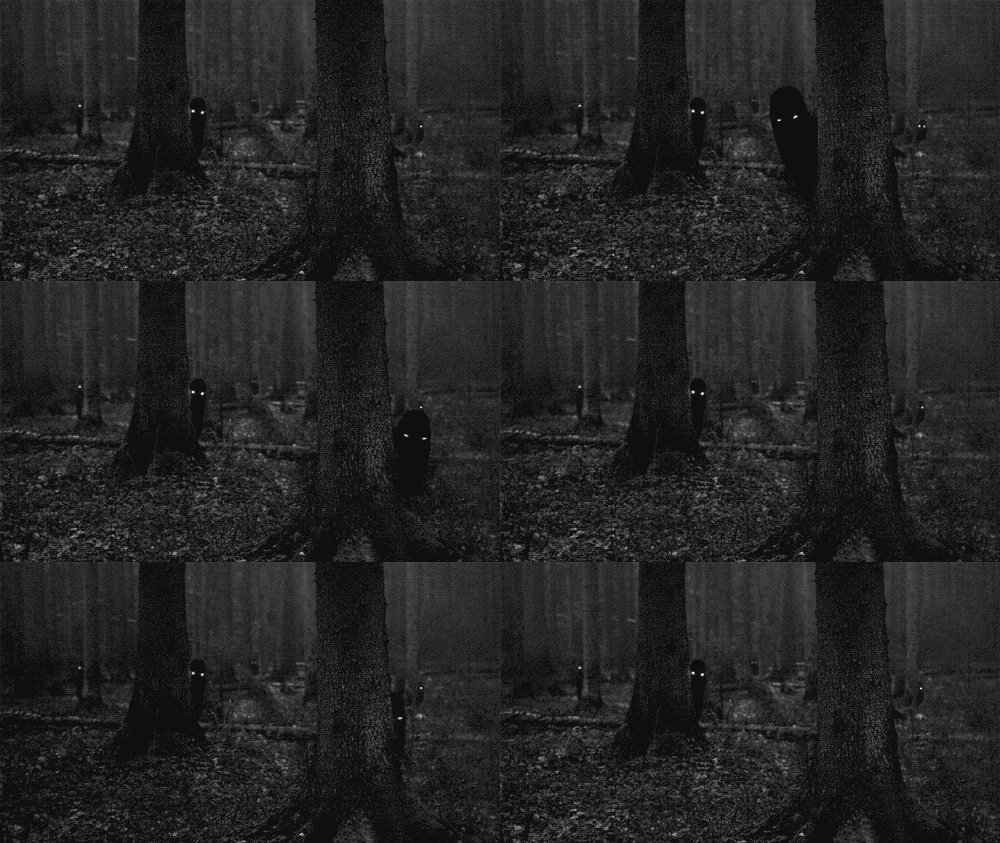
Red-eyed Shadow [c'alminəlus] (HD 3, AC 12, MV 9/12f). Shades who hide from death behind the souls of trees. Only perceived as diminishment of visual acuity. Attempting direct attack causes migraines and visual anomalies of undulating color that blur and stretch. Must be attacked peripherally, but if possible they dance into direct view. Bones are hidden up in a tree somewhere nearby – shade reforms if not destroyed.
Dawn Shadow [xʷiyəlan] (HD 6-9, AC 12, MV 6f). Memories of life before light touched the world, shapes from ancient epochs half-remembered in acrid black smoke, eyes shining. Immune to mundane weapons but dispersed by wind. Presence chokes the air; each round in melee save vs. coughing. Appear in mornings, before the sun hits direct, at the beginnings of things.
Forest Dwarfs the Old People, Spirits of Pebble and Twig
The Old People still exist in the world, though most remain hidden. In the deepest stretches of the elder wood, in overgrown marshes, gullies, and creeks. They clamber amongst the underbrush, or drop from above.
Most fear them, regardless of whether they have done aught to provoke their ire, and few are those brave or mad enough to approach them as they gather to dance in their hidden groves.
Dwarfs are highly sought by sorcerers as familiar spirits. The dwarfs of yore made mighty spells, it is claimed. Some say they danced the first forests into being, that they know the songs that made the trees grow tall.
But the true value of dwarfish familiars is their connection to the lost and the dead. They know the dead roads and can lead mortals to the deadlands. Though ghosts have similar ability, and in fact are easier to placate, they are also given to madness, leaving dwarfs the most reliable source for this essential power.
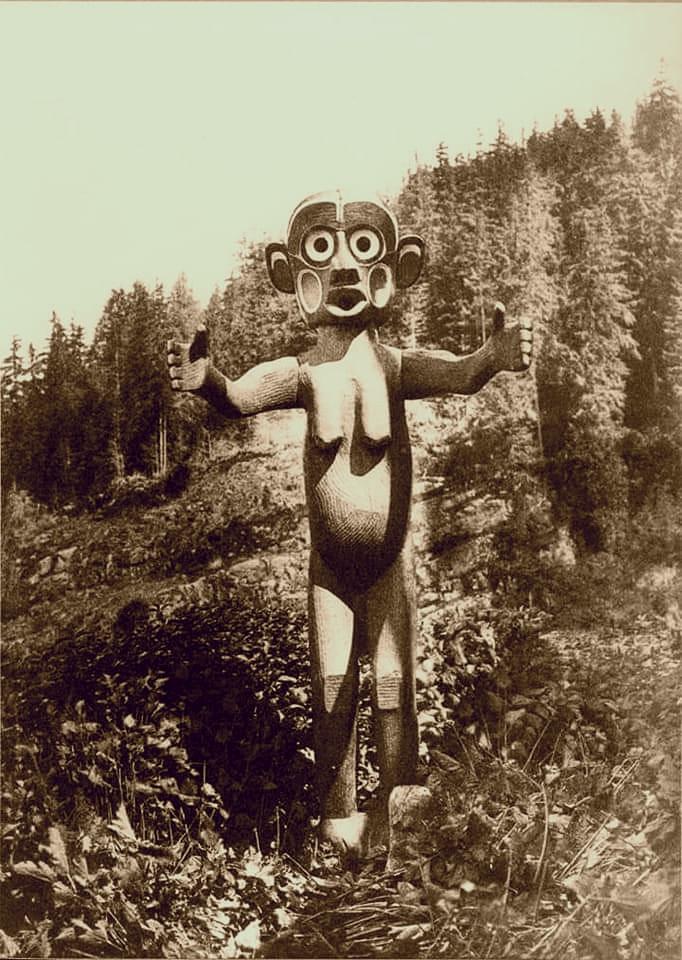
Little Forest [swəw'tixʷtən] (HD 2, AC 4, MV 9/12f). 2' dwarf made of forest debris. Walks on treetops, leaping branch to branch. Speaks in a watery gurgle, save vs. confusion. Can dance your soul out of your body. Each is bound to an idol depicting a stylized man of their size, usually hidden in some dark and secret grove. May range from idol, but usually do not wander far, as possession of it grants power over them.
Tree Striker [šəčəčičələɁ] (HD 4, AC 15, MV 9/12f). Horribly misshapen, 2' dwarf made of forest debris. Walks on treetops, leaping branch to branch. Idol long-shattered, what remains is a cane that fells fully grown trees with strike, ranged 2d6 in a line. Cane may be used by men, but in mortal hands explodes violently on an attack roll of 1. Strike easily opens doors and chests.
Lost Child [makʷamš] (HD 1, AC 13, MV 15). Corpse-thin, gangle children, dressed all in leaves with fancifully carved masks. Skinny limbs flutter in frantic caper, leaping and cackling. Leaps away when missed, usually high into trees. Play woodwinds. Knows a song to remove all sense of direction, making Lost. Knows a song to calm the dead.
Lost Ancient [Ɂiɫluƛ] (HD 3, AC 13, MV 15). Older than human: pale green and goblinish, hook-nosed, wolf-eared, round inhuman eyes glowing red in deep sockets. Teleports away when missed. Does not play flute; just speaks that way. Presence saps warmth from things, invoking supernatural cold. Knows a magic sound to make trees explode in frost, 2d6 damage in an area.
Earthquake Dwarf [gʷingʷinaɁmixʷ] (HD 1, AC 17, MV 6). Entice people beneath mountains to dance with "earthquake feet". Flesh hard as stone, attacks with crushing strikes. Jealous of all soft things owned by men. Knows a drumbeat that compels men to dance. Knows a dance to cause an avalanche. Explodes in a shower of stone when slain, d6 in 30'. Rumors tell of "obsidian dwarfs" that deal slashing, explode more violently.
Aurora Dwarf [qʷiqʷəstay'mixʷ] (HD 1, AC 12, MV 9/9s). Super-strong, 3½' dwarfs living on iceflows. Dive in freezing water to catch whales and seals by hand and scoop dentalia from sea floor. Their blubber-fires built on ice create the aurora, which they dance into enemies' eyes to confuse and mislead (as color spray). Immune to knives and arrows, but damaged by prick from feathers of waterfowl.
The Real Otters Enhydra lutris, Lontra canadensis
Never trust an otter.
This is important. Stay focused. Try to hold it in your mind. Even at point of death, when freezing or drowning alone, keep your guard. When they arrive in their boats with hairy arms outstretched, torsos and heads bobbing disproportionate long, do not accept their assistance. They do not want you to find your way home. They do not want you to survive this encounter. They are abductors. They want you to freeze and starve and become like them.
If you forget or lose faith, they will take you to the land of the otters. And then there is nothing left for you but a life of beastly stalking. You will spend the rest of your days eating fish raw and luring men to their doom.
Trust dogs. The bark of a dog can dispel an otter's false voice. The bones of a dog, sharpened to knife-edge, can cut away an otter's false skin. The dog is man's oldest ally in the wild.
Remember: do not trust otters. Don't forget. Stay focused. Remember.
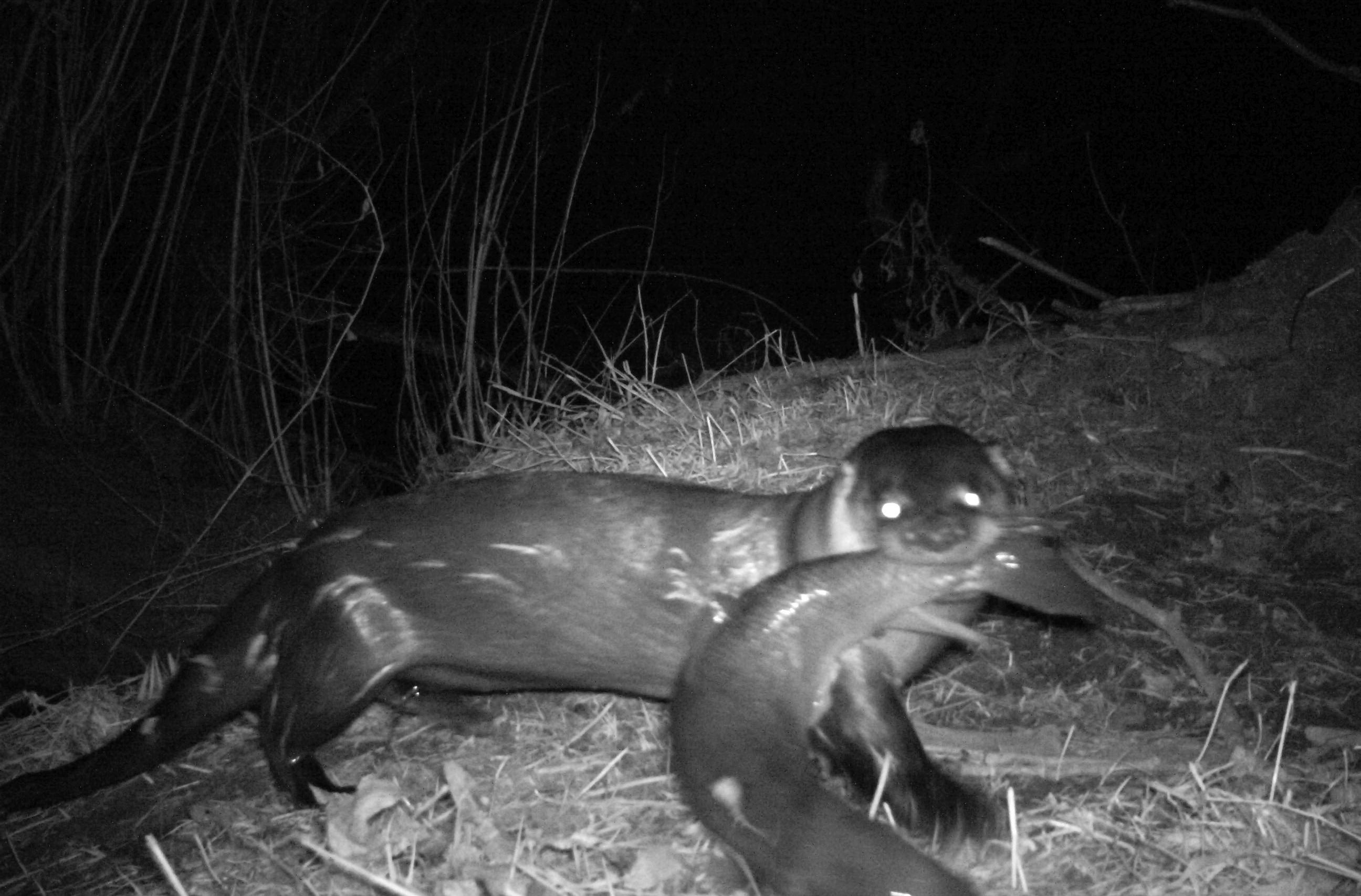
Sea Otter [sq'aƛ'] (HD 1 - 6, AC 13, MV 12/18s). The sea pulls at the skins of otters, which they can use to command waves with a gesture. If a canoe contains otterskin or a man wears it, they may be grappled by waves. Otters of sufficient size use these powers to capsize canoes and drown their occupants. Those with HD greater than 1 are rare, but sightings exist. Each HD accompanies a commensurate increase in size, and disproportionate lengthening of the neck.
Rain God [qəlmaχaɁ] (HD 8, AC 15, MV 9/24s). An otter deity, huge and long-necked. Controls rain and raises water levels. Renders gunpowder wet and unusable. In human form, a giant, nude but for copious copper jewelry.
Land Otter [kuštakaɁ] (HD 5, AC 13, MV 9/15s). Skinchangers that shift from otter to man. Always appears a friend or relative. Eyes black and teeth sharp and otterish. Dog bark reveals true form. Tongues command canoes to capsize, land to slide from position, and men to fall drowsy and numb. Offer food and aid to the lost and the drowning; accepting any provokes soul loss. On death, become a new kuštakaɁ. Flesh twists away from normal weapons, but dog bones cut them. Value crab shells as money, used to construct drums and rattles.
Half-Otter [qaqiχin] (HD 3, AC 13, MV 9/9s). The half-drowned, starved and thin with oversized head and belly, long torso, greening skin, watery blue eyes. Overlarge lips pierced by urchin quills caked with dried blood, teeth chipped and missing from crunching inedible seaside life. Shadow causes save vs. confusion. They want to be led home, but always describe a place beyond the sea. The uncooperative are raked by pale claws. Too determined to be fully slain by violence, they must be reminded they are dead, with mirrors, with human food, or with the usage of their name by relatives. In daylight, they disrobe and burrow in sand.
The Slim People Owl-men, Wood Ghosts, Elfs
Heed not the whistling in the wood. Never traverse the mountain passes alone. Be wary of owls, who act as their eyes and tongues.
Hunters of men, inimical to civilization, the Slim People lurk in deepest forest and highest mountain vale, in the furthest reaches upriver. What relation they have to the inland pit-dwellers we cannot say, for the pit-people disavow any knowledge of them despite haunting the very same reaches.
None have reported seeing Slim People in the daylight; perhaps they only exist at night.
A captured adult is sure to be devoured, but children, if they do not resist overmuch, may survive by becoming Slim themselves. Occasionally little bundles of twigs in vaguely manlike shapes are found where the Slim People have been. It is believed that this is all lost children can do to communicate to their relatives that they are still living.
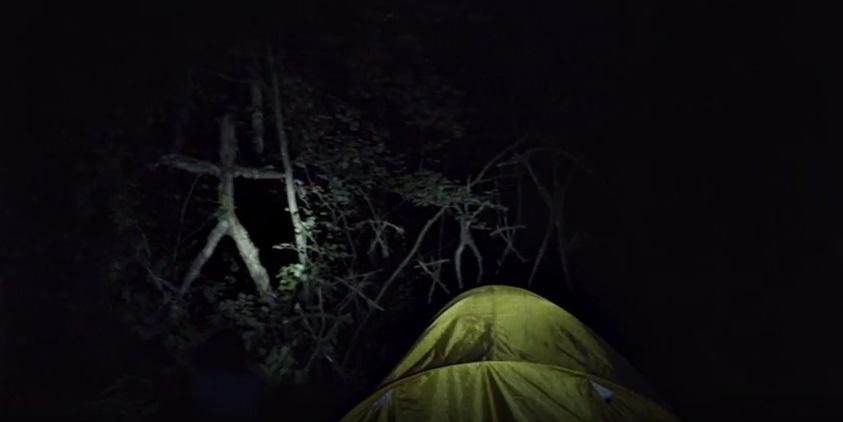
Stick Man [stitaɫ] (HD 3, AC 14, MV 15). Impossibly tall and thin naked humanoids with knobbly brown skin and hollow eyes. Lie motionless on piles of fallen timber, nigh-invisible. Mouths emit only birdsong or child's laughter, which compels listener to wander into the woods. Otherwise completely silent.
Spear Spirit [tayutan] (HD 6, AC 14, MV 18/12c). Stick Man war spirit. Longer of limb, not bulkier. All its extremities are cruel spikes & splinters. Drops on foes from above to attack. Climbs rapidly, out of sight. Near-invisible when motionless in the branches.
Spotted Owl [skʷəqʷumš] (HD ½, AC 14, MV 24f). Those slain by fright, screaming too loud for too long (or more commonly, infants smothered in their cribs), lose their living voice and return as owls. May speak to the dead, call to the dying across great distance, and foretell the future. Steal the breath of those who speak living language in their presence (save vs. shortness of breath), used to advantage by Stick Men.
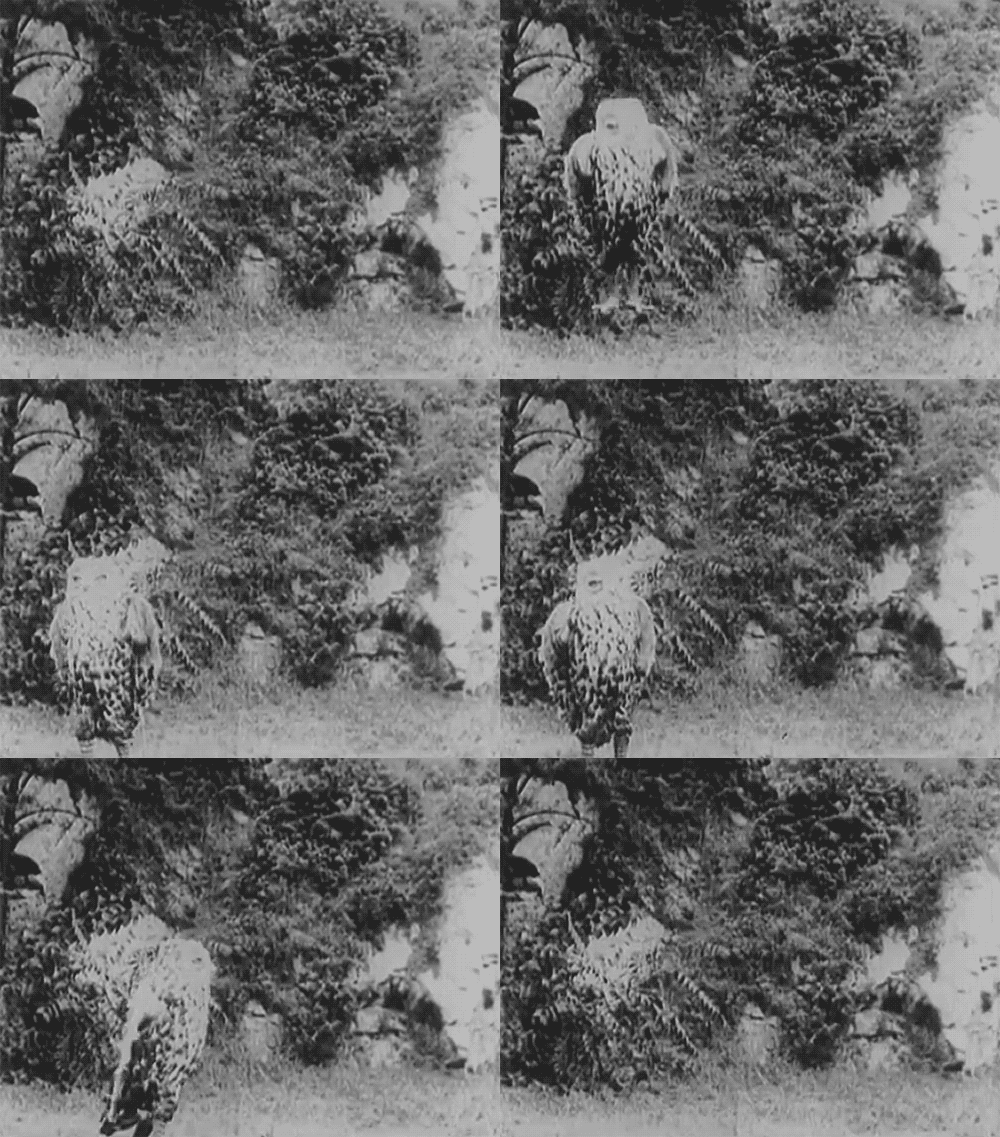
Horned Owl [təkʷəkʷəlus] (HD ½, AC 14, MV 24f). Horned owls collect teeth and bones. They seem to trade trinkets for these, but prefer to steal them. An owl who collects the teeth or fingerbones of a dead shaman and holds them in the mouth gains all the knowledge and power they possessed. These serve as great sorcerers among the Stick Men. They are the only among their entourage known to speak.